Try It Now
Overview
Viz.ai is a pioneering artificial intelligence platform revolutionizing emergency care for time-critical conditions through automated detection and intelligent care coordination. Founded in 2016 by Dr. Chris Mansi and Dr. David Golan, Viz.ai has deployed its FDA-cleared stroke detection algorithms across over 1,400 hospitals and healthcare systems, analyzing millions of CT scans to identify large vessel occlusions (LVO) - the most severe strokes requiring immediate intervention. The platform automatically alerts stroke teams within minutes of imaging completion, dramatically reducing time-to-treatment and improving patient outcomes in conditions where every minute matters.
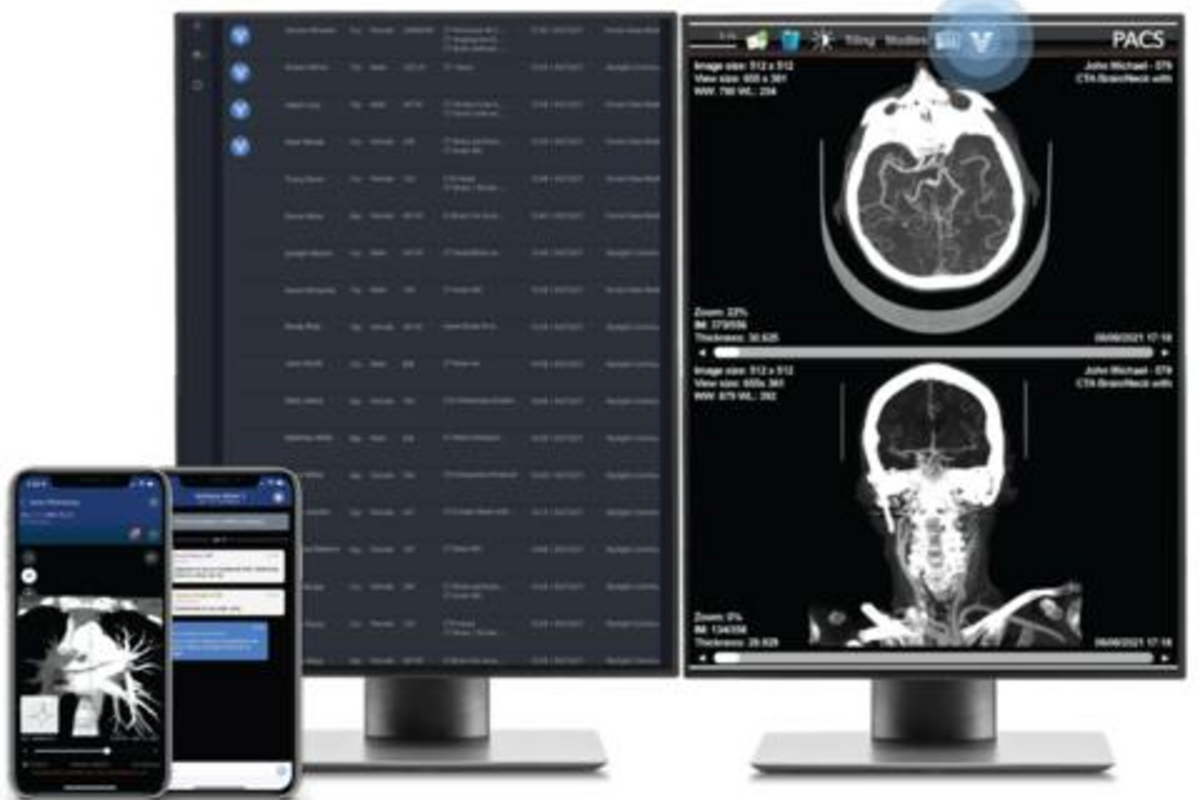
What sets Viz.ai apart is its comprehensive approach to emergency care coordination, combining AI detection with intelligent communication workflows. When the AI identifies a suspected LVO stroke, it simultaneously alerts the entire stroke team - neurologists, interventionalists, emergency physicians - through a mobile app with complete imaging, patient information, and one-touch communication capabilities. This eliminates the traditional delays of phone calls, paging systems, and manual image review that waste precious minutes during stroke emergencies. The platform has expanded beyond stroke to include pulmonary embolism detection, aortic dissection identification, and other time-critical conditions where rapid diagnosis and treatment coordination save lives.
Viz.ai serves emergency departments, stroke centers, neurology teams, interventional radiologists, and hospital administrators seeking to optimize time-critical care pathways. Clinical studies demonstrate Viz.ai reduces door-to-treatment time by an average of 52 minutes for stroke patients, with corresponding improvements in patient outcomes and mortality. The platform has received multiple FDA clearances including breakthrough device designation, validating its clinical effectiveness. With continuous algorithm improvements, expanding clinical applications, and proven ability to accelerate care for life-threatening emergencies, Viz.ai represents the cutting edge of AI-powered emergency medicine transforming how hospitals respond to time-critical conditions.
Key Features
LVO Stroke Detection
FDA-cleared AI automatically analyzes CT angiography scans for large vessel occlusion strokes. Identifies blockages in major brain arteries requiring immediate thrombectomy with over 90% sensitivity.
Automated Care Team Alerts
Instantly notifies entire stroke team when LVO detected - neurologists, interventionalists, emergency physicians. Simultaneous alerts via mobile app eliminate communication delays.
Mobile App Coordination
Comprehensive care coordination app displays imaging, patient data, team communication, and workflow tracking. One-touch calling, messaging, and case management streamline emergency response.
Pulmonary Embolism Detection
AI analyzes chest CT scans for pulmonary embolism - blood clots in lung arteries. Alerts appropriate specialists for timely anticoagulation or intervention in high-risk cases.
Aortic Dissection Detection
Identifies suspected aortic dissections on CT imaging - life-threatening tears in the aorta requiring emergency surgery. Accelerates diagnosis and surgical team activation.
Treatment Planning Support
Provides imaging analysis, vessel measurements, and procedural planning information to interventionalists. Helps teams prepare for thrombectomy while patient is en route to cath lab.
FDA Cleared Algorithms
Multiple FDA clearances including breakthrough device designation for stroke detection. Clinically validated algorithms meet regulatory standards for diagnostic accuracy and safety.
Time-to-Treatment Optimization
Analytics dashboard tracks door-to-treatment times, team response metrics, and workflow efficiency. Identifies bottlenecks and measures improvement in time-critical pathways.
Pros & Cons
Advantages
- Reduces stroke treatment time by 52 minutes
- FDA cleared with breakthrough designation
- 1400+ hospital deployments
- Proven mortality reduction
- Comprehensive care coordination
- Mobile app for team communication
- Multiple time-critical conditions
- Real-time imaging analysis
- Analytics and quality metrics
- 24/7 automated monitoring
Disadvantages
- Enterprise pricing (significant investment)
- Requires CT integration infrastructure
- Limited to specific emergency conditions
- False positives require physician review
- Dependent on imaging quality
- Team adoption and training needed
- Mobile app requires smartphone access
- Best suited for high-volume centers
Pricing Plans
| Service | Price | Coverage | Best For |
|---|---|---|---|
| Viz LVO | Custom Enterprise | Stroke detection and coordination | Comprehensive stroke centers, hospitals |
| Viz PE | Custom Enterprise | Pulmonary embolism detection | Emergency departments, cardiology |
| Viz Aortic Dissection | Custom Enterprise | Aortic dissection identification | Trauma centers, cardiovascular programs |
| Viz Platform | Custom Enterprise | Multi-condition package | Healthcare systems, large hospitals |
Best Use Cases
Viz.ai Excels At:
- Comprehensive Stroke Center Operations: Automating LVO detection and team activation for hospitals performing thrombectomies
- Emergency Department Triage: Prioritizing time-critical cases requiring immediate specialist intervention
- Telestroke Programs: Connecting remote hospitals with stroke specialists through automated detection and telemedicine coordination
- After-Hours Coverage: Ensuring 24/7 stroke detection when specialist presence is limited
- Transfer Coordination: Identifying patients at spoke hospitals requiring transfer to thrombectomy-capable centers
- Quality Improvement: Tracking and optimizing door-to-treatment times across stroke pathways
- Multi-Specialty Emergencies: Coordinating care for pulmonary embolism, aortic dissection, and other time-critical conditions
- Care Team Communication: Streamlining emergency specialist activation and coordination through mobile platforms
May Not Be Ideal For:
- Small hospitals without thrombectomy capability (unless part of telestroke network)
- Facilities with very low stroke volumes
- Organizations unable to afford enterprise AI platforms
- Settings lacking CT integration infrastructure
How It Compares
Viz.ai vs Traditional Stroke Protocols
Traditional stroke protocols rely on radiologists manually reviewing CT scans and communicating findings to neurologists, who then contact interventionalists if thrombectomy is indicated. This sequential process takes 30-60 minutes or more, during which 1.9 million neurons die every minute in stroke patients. Viz.ai automates detection and parallelizes communication - the AI identifies the LVO within minutes of scan completion and simultaneously alerts the entire team, who can review imaging and prepare for intervention while the patient is still being evaluated. Studies show Viz.ai reduces door-to-treatment time by an average of 52 minutes compared to traditional protocols, translating to significantly improved patient outcomes. For every 15 minutes saved in stroke treatment, one additional patient per hundred achieves independent functional recovery. Viz.ai's automation also ensures consistent 24/7 performance regardless of radiologist availability or fatigue.
Viz.ai vs Other AI Stroke Detection
Several companies offer AI stroke detection, but Viz.ai distinguishes itself through comprehensive care coordination beyond just image analysis. Competitors may detect LVO but lack integrated communication workflows, leaving hospitals to manually notify teams. Viz.ai combines detection with intelligent alerting, mobile care coordination, treatment planning support, and analytics - a complete platform for time-critical emergency response. The 1,400+ hospital deployment demonstrates real-world adoption and trust from healthcare systems. FDA breakthrough device designation and extensive clinical validation provide regulatory and evidence advantages. Viz.ai's continuous expansion to multiple conditions (stroke, PE, aortic dissection) creates a unified platform for time-critical emergencies, while single-condition tools require separate systems. The mobile app's one-touch communication and comprehensive case presentation are particularly valued by clinicians managing emergencies.
Final Verdict
Our Recommendation
Viz.ai represents a transformative advancement in emergency medicine, delivering measurable improvements in treatment speed and patient outcomes for the most time-critical conditions. For comprehensive stroke centers performing thrombectomies, Viz.ai is increasingly becoming standard of care - the ability to reduce door-to-treatment time by nearly an hour translates directly to lives saved and disabilities prevented. The platform's 52-minute average time savings isn't just impressive numbers; it represents patients who walk out of the hospital instead of needing long-term care, families who get their loved ones back, and healthcare systems that can demonstrate superior stroke outcomes. The FDA breakthrough device designation validates Viz.ai's clinical effectiveness, while deployment across 1,400+ hospitals demonstrates real-world adoption and healthcare system confidence. The comprehensive care coordination goes beyond detection - the mobile app transforms emergency team communication, eliminating the phone tag, paging delays, and manual image review that waste precious minutes in stroke emergencies. One-touch calling, complete imaging access, and simultaneous team alerting create the seamless coordination required for optimal time-critical care. Viz.ai's expansion beyond stroke to pulmonary embolism and aortic dissection creates a unified platform for multiple life-threatening emergencies, maximizing return on investment as the system handles more clinical scenarios. The analytics dashboard provides transparency into door-to-treatment times, team response patterns, and workflow bottlenecks, enabling continuous quality improvement and demonstrating value to administrators and payers. For emergency departments, Viz.ai ensures time-critical cases receive immediate specialist attention rather than getting lost in the chaos of busy ERs. For telestroke networks, the platform seamlessly coordinates care between spoke and hub hospitals, identifying transfer candidates and activating receiving teams before the ambulance even departs. The 24/7 automated monitoring means consistent stroke detection regardless of radiologist availability, after-hours coverage, or human fatigue factors that degrade traditional workflows. However, Viz.ai requires significant investment appropriate for high-volume centers or healthcare systems - the enterprise pricing model isn't viable for small hospitals with low stroke volumes unless part of a larger network. The platform requires CT scanner integration and technical infrastructure, representing both financial and IT implementation challenges. Care teams need training on the mobile app and workflow changes, requiring organizational commitment to adoption. False positives necessitate physician oversight - Viz.ai accelerates detection and coordination but doesn't replace clinical judgment. For comprehensive stroke centers, large emergency departments, and healthcare systems seeking to optimize time-critical care pathways, Viz.ai delivers measurable, life-saving improvements justified by the investment. The platform is particularly valuable for organizations with quality improvement initiatives around door-to-treatment times, telestroke programs requiring coordination between facilities, or systems seeking competitive differentiation through superior stroke outcomes. If your hospital performs thrombectomies, manages high-risk pulmonary embolisms, or treats time-critical cardiovascular emergencies, Viz.ai provides capabilities that directly translate to better patient outcomes. The evidence is compelling: faster treatment, reduced mortality, improved functional recovery, and a platform that continues expanding to address more emergency conditions. For organizations where minutes matter and outcomes are measured in lives saved, Viz.ai is an investment that pays dividends in the most important currency - patient lives and quality of life.
Screenshots & Interface
Explore Viz.ai's interface: