Try It Now
Overview
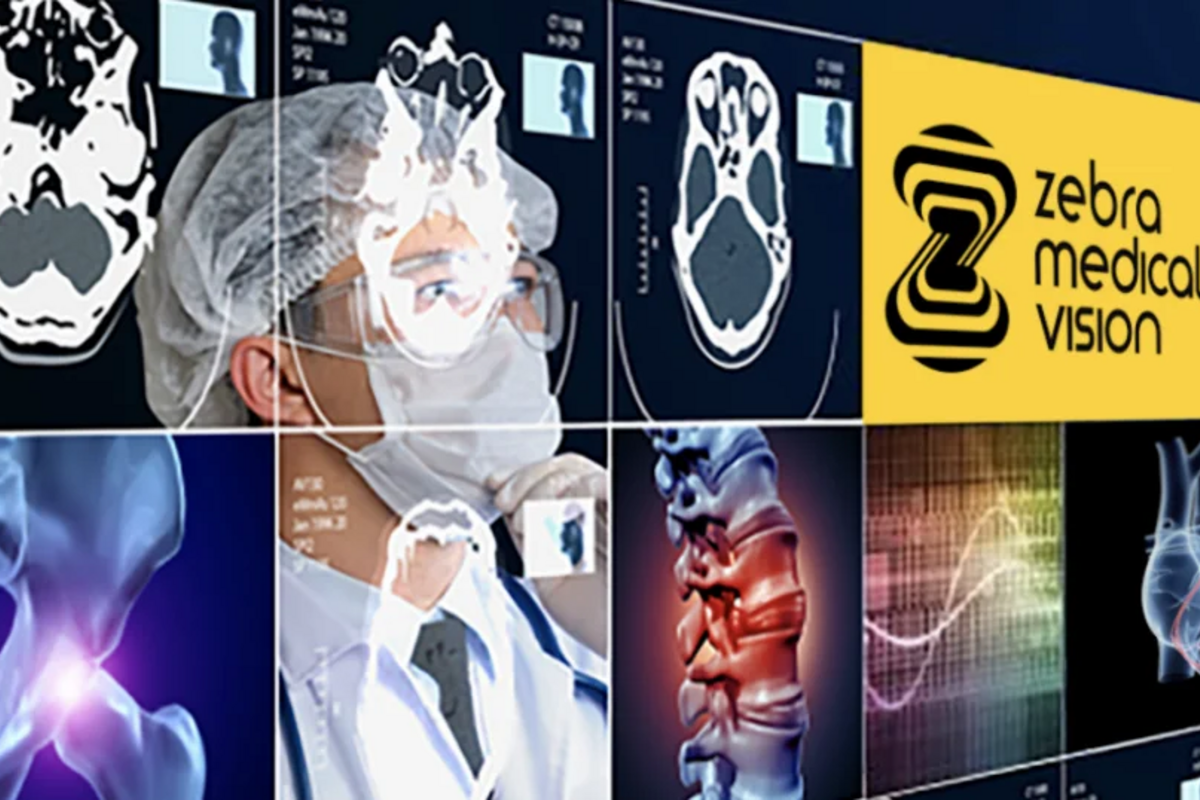
Zebra Medical Vision, now part of Nanox AI, is a pioneering platform in automated radiology analysis, deploying over 12 AI algorithms across more than 1,000 hospitals worldwide. Founded in 2014, Zebra was among the first companies to develop comprehensive AI solutions for detecting multiple conditions from medical imaging studies. The platform analyzes CT scans, MRIs, and X-rays to identify a wide range of abnormalities including cardiovascular disease, liver conditions, bone health issues, and lung pathologies.
What distinguishes Zebra Medical Vision is its "All-in-One" approach, where a single integration provides hospitals access to multiple AI algorithms that work across different imaging modalities and clinical conditions. Rather than deploying separate AI tools for each condition, Zebra's unified platform automatically analyzes studies for dozens of findings simultaneously. This comprehensive screening approach helps radiologists catch incidental findings that might otherwise be overlooked and prioritizes urgent cases requiring immediate attention.
Zebra's algorithms are trained on millions of annotated imaging studies and have received CE marking in Europe and regulatory clearances in multiple countries. The platform integrates seamlessly with hospital PACS systems, providing automated analysis without disrupting radiologist workflows. With proven clinical validation and deployment at scale, Zebra Medical Vision represents enterprise-grade AI for modern radiology departments seeking to improve diagnostic accuracy and operational efficiency.
Key Features
Automated Radiology Analysis
Comprehensive AI analysis of CT, MRI, and X-ray studies for multiple conditions simultaneously. Automatically screens every study without radiologist intervention.
Multi-Condition Anomaly Detection
Detects cardiovascular disease, fatty liver, osteoporosis, lung nodules, compression fractures, and more. Single platform for diverse pathology identification.
Automated Prioritization
Flags critical and urgent findings for immediate radiologist review. Ensures time-sensitive cases are addressed first to improve patient outcomes.
Multiple Condition Coverage
12+ validated algorithms covering cardiovascular, pulmonary, musculoskeletal, and abdominal conditions. Expanding algorithm library through ongoing research.
CT/MRI/X-ray Support
Works across major imaging modalities without separate integrations. Comprehensive coverage for radiology department needs.
PACS Integration
Seamless integration with existing Picture Archiving and Communication Systems. Results delivered directly to radiologist workstations.
Regulatory Approved
CE marked in Europe with clearances in multiple countries. Meets rigorous safety and efficacy standards for clinical deployment.
Clinical Workflow Enhancement
Designed to augment radiologist productivity without disrupting established workflows. Provides actionable insights at point of interpretation.
Pros & Cons
Advantages
- Comprehensive multi-condition analysis
- Single integration for multiple algorithms
- Detects incidental findings automatically
- Strong clinical validation
- Deployed at scale (1000+ hospitals)
- Works across imaging modalities
- Seamless PACS integration
- Regulatory approvals in multiple regions
- Prioritizes urgent cases
- Reduces radiologist workload
Disadvantages
- Enterprise pricing only
- Requires PACS infrastructure
- Limited to supported conditions
- May generate false positives
- Algorithm performance varies by condition
- Implementation complexity
- Training required for optimal use
- Dependent on image quality
Pricing Plans
| Plan | Price | Deployment | Best For |
|---|---|---|---|
| Hospital Enterprise | Custom | PACS integration | Large hospitals and health systems |
| Imaging Center | Custom | Cloud or on-premise | Independent imaging facilities |
| Per-Study Pricing | Variable | Volume-based | Variable volume facilities |
| Research License | Custom | Academic deployment | Research institutions |
Best Use Cases
Zebra Medical Vision Excels At:
- Incidental Finding Detection: Identifying unexpected abnormalities in studies ordered for other reasons
- High-Volume Radiology: Screening large volumes of studies for multiple conditions simultaneously
- Cardiovascular Screening: Detecting coronary artery calcification, aortic aneurysms, and cardiac abnormalities
- Bone Health Assessment: Identifying osteoporosis and compression fractures from routine CT scans
- Liver Disease Detection: Quantifying hepatic steatosis (fatty liver) from abdominal imaging
- Lung Pathology: Detecting pulmonary nodules, emphysema, and other lung conditions
- Case Prioritization: Ensuring urgent findings reach radiologists immediately
- Quality Assurance: Providing second-opinion validation of radiologist interpretations
May Not Be Ideal For:
- Small clinics without PACS infrastructure
- Facilities requiring only single-condition analysis
- Settings with very low imaging volumes
- Organizations unable to support enterprise implementation
How It Compares
Zebra Medical Vision vs Aidoc
Both are comprehensive AI radiology platforms, but with different emphases. Zebra Medical Vision focuses on broad multi-condition screening across many disease categories, ideal for detecting incidental findings. Aidoc specializes in real-time triage of acute, life-threatening conditions like stroke and pulmonary embolism, with faster notification systems. Zebra offers wider condition coverage (12+ algorithms), while Aidoc excels at critical care triage with specialty-specific workflows. Zebra is better for comprehensive screening programs, while Aidoc is optimized for emergency department and acute care settings. Many hospitals deploy both platforms to complement each other's strengths.
Zebra Medical Vision vs Single-Purpose AI Tools
Zebra's all-in-one platform provides efficiency advantages over deploying multiple single-purpose AI tools. One integration delivers analysis for dozens of conditions, simplifying IT management and reducing integration costs. However, specialized tools like Viz.ai for stroke or lung nodule detection algorithms may offer superior performance for specific conditions. Zebra sacrifices some condition-specific optimization for breadth and convenience. For hospitals wanting comprehensive AI coverage without managing multiple vendors, Zebra is ideal. For institutions focused on specific high-priority conditions, specialized tools may be preferable.
Final Verdict
Our Recommendation
Zebra Medical Vision delivers exceptional value for hospitals and imaging centers seeking comprehensive AI radiology analysis through a single platform. The ability to detect multiple conditions simultaneously from one integration significantly reduces implementation complexity while maximizing diagnostic coverage. With deployment in over 1,000 hospitals globally, Zebra has proven its clinical utility and operational reliability at scale. The platform's strength lies in automated screening for incidental findings that often go undetected - conditions like osteoporosis, fatty liver, and coronary calcification that weren't the focus of the original imaging study but have important clinical implications. For radiology departments handling high volumes, Zebra's automated analysis and case prioritization measurably improves workflow efficiency and diagnostic accuracy. The CE marking and regulatory clearances provide confidence for clinical deployment. While enterprise pricing means Zebra isn't accessible to all facilities, hospitals with appropriate PACS infrastructure and sufficient imaging volumes will find substantial ROI through improved quality metrics, reduced liability from missed findings, and enhanced radiologist productivity. The platform works best when viewed as a comprehensive screening tool rather than definitive diagnosis - it excels at flagging potential abnormalities for radiologist review rather than replacing human expertise. For large hospitals, academic medical centers, and busy imaging centers committed to AI-enhanced radiology, Zebra Medical Vision represents a mature, validated solution with proven clinical benefits. Request a demonstration to see how the platform's multi-algorithm approach could enhance your radiology practice.
Screenshots & Interface
Explore Zebra Medical Vision's interface: